Innovative AI Tools for Children's Education

Artificial intelligence is changing the way children learn. It offers new opportunities to make education more engaging, personalized, and effective. Many parents and educators want to know which AI tools can help children develop skills and enjoy learning. This post explores some of the most useful AI-powered tools designed specifically for children’s education, explaining how they work and why they matter.
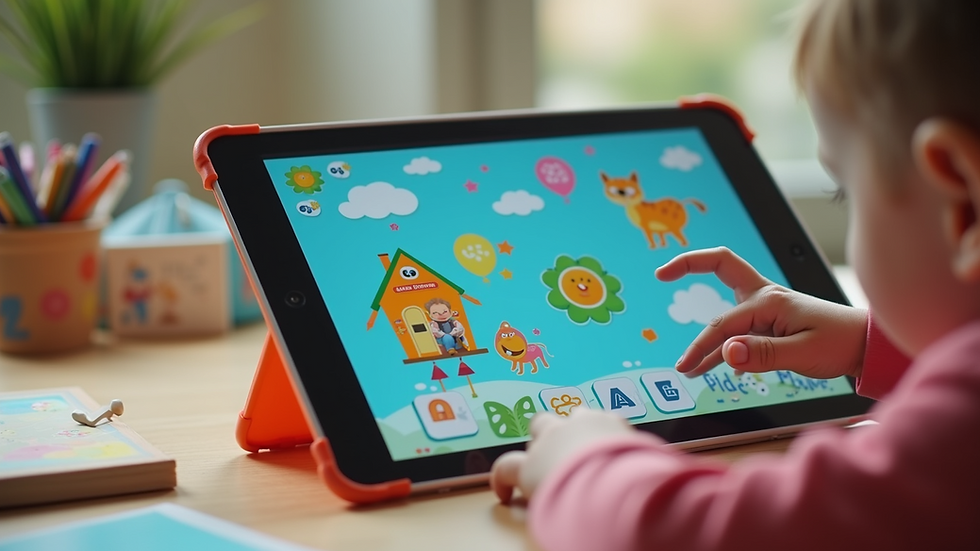
How AI Supports Learning for Children
AI tools adapt to each child’s pace and style of learning. Unlike traditional methods, these tools can analyze how a child performs and adjust lessons accordingly. This means children get help where they need it most, making learning less frustrating and more rewarding.
AI also makes learning more interactive. Instead of just reading or listening, children can engage with games, quizzes, and virtual tutors. This keeps their attention longer and helps them understand concepts better.
Personalized Learning with AI Tutors
One of the biggest advantages of AI in education is personalized tutoring. AI tutors can:
Identify strengths and weaknesses
Provide tailored exercises
Offer instant feedback
Track progress over time
For example, Squirrel AI uses adaptive learning algorithms to create customized lesson plans for each student. It adjusts difficulty based on the child’s answers, ensuring they are challenged but not overwhelmed.
Another example is Carnegie Learning, which focuses on math education. Its AI-driven platform offers step-by-step problem-solving guidance, helping children understand math concepts deeply rather than just memorizing formulas.
AI Tools That Make Reading Fun
Reading is a fundamental skill, and AI tools can help children improve it in enjoyable ways. Some apps use speech recognition to listen to children read aloud, then provide feedback on pronunciation and fluency.
Epic! is a popular digital library that uses AI to recommend books based on a child’s reading level and interests. This keeps children motivated to read more by offering stories they find exciting.
Speechify is another tool that converts text to speech, allowing children to listen to books and follow along. This supports children who struggle with reading or have learning differences like dyslexia.
Enhancing Creativity with AI
AI is not just about facts and numbers. It can also encourage creativity in children. Tools like Google’s Teachable Machine let kids create simple AI projects without coding experience. They can train models to recognize images, sounds, or poses, sparking curiosity and problem-solving skills.
Apps like DoodleLens use AI to turn children’s drawings into interactive animations. This blends art with technology, making creative expression more dynamic and fun.
Supporting Special Needs Education
AI tools can be especially helpful for children with special needs. For example, CogniAble uses AI to support children with autism by providing personalized therapy exercises and tracking progress.
Speech therapy apps powered by AI, such as Speech Blubs, help children improve their speech through engaging games and activities. These tools adapt to each child’s pace, making therapy less intimidating and more effective.
Benefits of AI Tools for Parents and Teachers
AI tools do not replace parents or teachers but support them by providing insights and resources. They can:
Save time on grading and lesson planning
Offer detailed reports on student progress
Suggest activities tailored to each child’s needs
Help identify learning gaps early
Teachers can use this data to focus on areas where children need the most help. Parents can also stay informed and involved in their child’s learning journey.
Choosing the Right AI Tool for Your Child
With many options available, selecting the right AI tool can feel overwhelming. Here are some tips:
Look for age-appropriate content
Check if the tool adapts to your child’s learning pace
Choose apps with clear privacy policies
Read reviews from other parents and educators
Try free versions before committing to paid plans
Remember that AI tools work best when combined with real-world interaction and support.
Challenges and Considerations
While AI offers many benefits, it also comes with challenges. Some children may spend too much time on screens, so balancing digital and offline activities is important. Privacy is another concern; always ensure the tools you use protect your child’s data.
AI is not perfect and may sometimes give incorrect feedback. Parents and teachers should monitor progress and step in when needed.
The Future of AI in Children’s Education
AI technology continues to improve rapidly. We can expect more immersive experiences using virtual reality and AI tutors that understand emotions and motivation better. These advances will make learning even more personalized and engaging.
Schools and families that embrace AI tools today will help children develop skills that prepare them for a technology-driven future.
AI tools offer practical ways to support children’s education by making learning more personalized, interactive, and fun. By choosing the right tools and balancing screen time, parents and educators can help children build strong skills and a love for learning. Exploring these tools is a step toward a more effective and enjoyable education for every child.


Comments